2026 Was the Year Climate Policy Finally Got Real
Remember when everyone was running around shouting about 2030? Yeah, that was adorable.
Then 2025 happened with its heatwaves that made 2023 look like a mild spring. And suddenly, governments realized they couldn't kick the can down the road anymore.
So what actually changed in 2026? Not the lofty promises. Not the celebrity speeches at COP. The boring stuff. The stuff that actually works.
---
**The Carbon Border Tax That Actually Hurt**
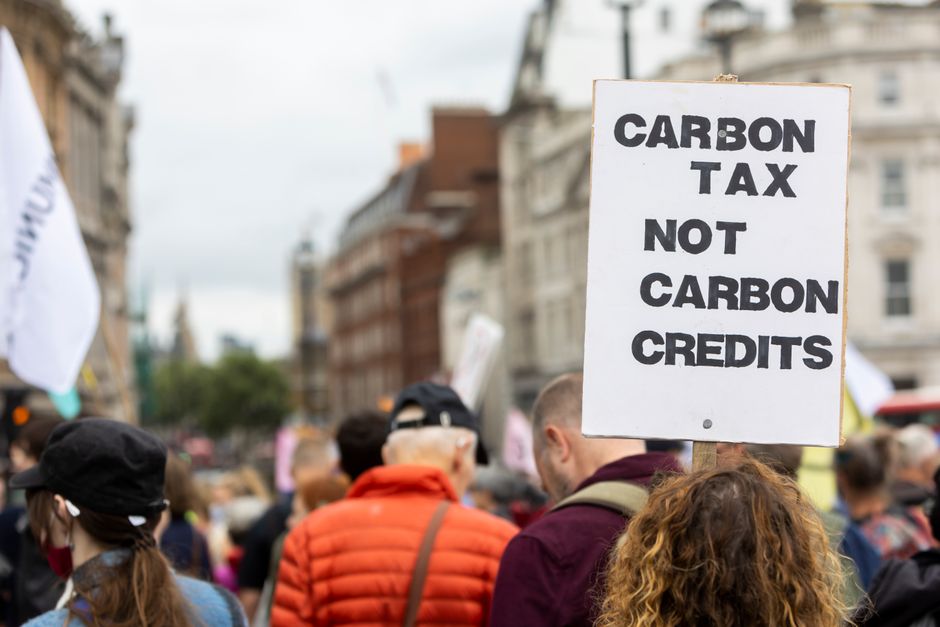
Europe's been talking about carbon border adjustments for years. But in 2026, the US finally did it. And not some weak, symbolic thing.
A real tax on imported goods based on how much carbon was used to make them. China lost its mind. India called it economic warfare. But the funny thing is, it worked.
Within six months, Vietnam and Thailand started building solar farms just to keep their steel exports competitive. Not because they care about the planet. Because money talks.
That's the part the activists never understood. You don't change the world by being righteous. You change it by making pollution expensive.
---
**The Housing-Climate Connection Nobody Talked About**
Here's what got me. In 2026, the biggest climate policy wasn't even about energy. It was about housing.
Cities finally started revising zoning laws to allow dense, walkable neighborhoods. Why? Because they realized the single biggest source of emissions isn't power plants anymore. It's people driving everywhere because there's no other option.
Portland, Oregon passed a law in early 2026 banning single-family-only zoning within three miles of any transit stop. San Francisco followed. Then Seattle.
The NIMBYs screamed. But the numbers were undeniable. A family living in a walkable apartment near a train station produces 60% less emissions than one in a suburban house.
And you know what else? That family saves fifteen thousand dollars a year on car payments and gas. That's real money for real people.
---
**The Gas Stove Freakout That Backfired**
Remember the panic in 2023 about gas stoves being banned? That was a mess. But 2026 handled it differently.
Nobody banned anything. Instead, they just stopped subsidizing gas infrastructure. New buildings in California, New York, and Colorado weren't required to hook up to gas lines anymore. You could still install a gas stove if you wanted. You just paid for the pipe yourself.
And what happened? Developers started building all-electric because it was cheaper. Induction stoves got better and cheaper. Within a year, 40% of new homes in those states were all-electric.
That's how you do policy. Not by telling people what to do, but by making the good choice the easy choice.
---
**The Unexpected Hero: Insurance Companies**
This one blew my mind. In 2026, insurance companies became the most powerful climate advocates in the country.
After two years of catastrophic wildfire and flood losses, they just stopped insuring properties in high-risk areas. The state of Florida had to create its own insurance pool because private companies wouldn't touch half the state.
And suddenly, real estate prices in coastal Florida crashed. Developers couldn't get loans. Banks wouldn't lend. The market did what politicians couldn't: it forced adaptation.
People started moving inland. Building with fire-resistant materials. Elevating houses on pilings. The insurance industry effectively wrote a new building code by refusing to cover stupid risks.
---
**What Didn't Happen**
Let's be honest about the failures too. The carbon capture tax credits were a boondoggle. Oil companies pocketed billions for tech that barely worked.
The international shipping agreement was watered down until it meant nothing.
And the big one: we still haven't figured out how to store renewable energy for winter. Germany had a brutal January when the wind didn't blow for three weeks. They had to burn coal.
That's the inconvenient truth nobody wants to talk about. Renewables are great. But without massive battery storage or nuclear, you're going to burn something when the sun doesn't shine.
---
**The Real Takeaway**
2026 wasn't the year we saved the planet. It was the year we stopped pretending that recycling straws would do it.
The policies that worked were the ones that changed incentives. Tax carbon. Build denser cities. Let insurance companies price risk.
The policies that failed were the ones that asked people to sacrifice for a distant future. Nobody cares about 2050 when their rent is due next week.
So here's where we are: the easy stuff is done. The solar panels are up. The electric cars are selling.
Now comes the hard part. The part where we have to actually change how we live. Not because someone in government told us to, but because the math finally adds up.
And if you think that math is going to get easier, you haven't been paying attention.
💬 Comments