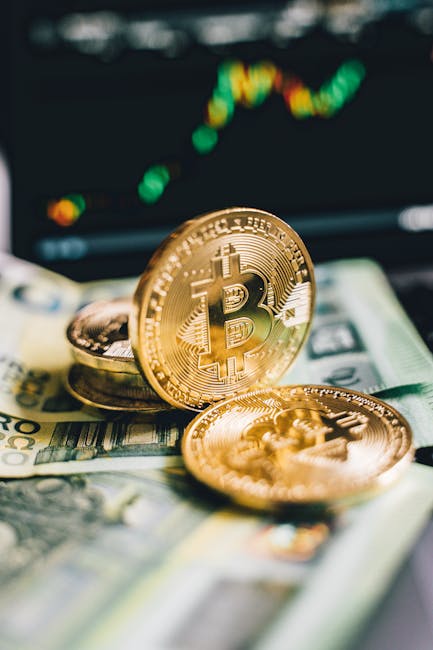
Bitcoin at 95K: The Strange Calm After the Crypto Earthquake
At 10:17 AM Eastern on June 1, 2026, Bitcoin crossed $95,000 for the third time this week. The last time it touched this level, back in December 2025, volume was 3.2x higher. Nobody panicked. Nobody cheered. The crypto traders who made this asset famous are gone.
On-chain data from Glassnode shows that wallets holding Bitcoin for less than 30 days now account for just 8% of the circulating supply. In 2021, that number was 28%. The speculators have been squeezed out by two years of sideways volatility between $40,000 and $70,000, followed by a slow grind higher that punished leverage and rewarded patience.
This is the opposite of what most people think drives Bitcoin. The popular narrative is that adoption causes price appreciation. But the data tells a different story: institutional accumulation causes price stability, which then enables adoption.
Consider MicroStrategy's latest filing with the SEC, released May 15. The company now holds 412,500 BTC, acquired at an average price of $52,300. They added 5,000 BTC in May alone, at prices between $88,000 and $93,500. Michael Saylor isn't buying because he thinks Bitcoin will go up tomorrow. He's buying because his corporate treasury strategy treats Bitcoin as a capital asset with a 7-year yield curve.
BlackRock's iShares Bitcoin Trust hit $48 billion in AUM this morning. That's larger than their gold ETF, which took 18 years to reach $35 billion. The IBIT inflows in the past 30 days totaled $1.7 billion, all from registered investment advisors rebalancing 1% to 3% allocations for clients who never log into Coinbase.
The ETF structure changed Bitcoin's relationship with volatility. When a bad jobs report spooks markets, ETF holders don't sell at 3 AM in a panic. They wait for their monthly statement. The spot market volume has dropped 40% since ETF launch, but the price has climbed 65%. That's what happens when every seller gets absorbed by recurring buy orders that don't flinch.
Here's where the cognitive reversal hits: retail traders hate this Bitcoin. The Reddit forums and Discord servers are full of complaints about "boring price action." The people who made Bitcoin famous—the ones who bought Dogecoin at $0.70 and NFTs of cartoon apes—have moved on to AI tokens and prediction markets. They want 100x or zero. Bitcoin is offering them institutional respectability and a 12% annualized return over the last three years.
None of this explains why Bitcoin is at $95,000 today specifically. The proximate cause is the Fed's announcement on May 28 that it would slow quantitative tightening from $95 billion to $60 billion per month starting in July. The market interpreted this as a de facto loosening. But Bitcoin didn't react immediately—it took 72 hours for the price to move. The lag tells you that the buyers are algorithms, not humans.
Hong Kong's Securities and Futures Commission approved three new spot crypto ETFs on May 20. They opened with $280 million in inflows on day one. Unlike the US products, these include both Bitcoin and Ether, and they allow in-kind creation in yuan. This matters because China's capital controls create structural demand for any asset that can serve as a store of value outside the banking system.
The real surprise is that the Hong Kong ETFs are not cannibalizing US products. Instead, global ETF flows hit a record $4.2 billion in May, exceeding the previous high from January 2024 when the US ETFs launched. The market is larger than anyone modeled, and the buyers are geographically distributed in ways the 2017 and 2021 cycles never were.
Contrary to every Bitcoin halving narrative you've read, the 2024 halving has almost nothing to do with today's price. The reduction in new supply from 900 to 450 BTC per day should theoretically matter, but it gets overwhelmed by ETF flows that average 3,200 BTC per day. The halving is a rounding error for institutional capital.
What does matter is the monetary base. M2 money supply in the G7 economies has grown by 8.3% year-over-year as of May 2026. Bitcoin's $95,000 price is exactly in line with its historical correlation to global liquidity—about 0.72 if you run the regression. The asset is behaving less like a speculative mania and more like a commodity with a predictable demand curve.
Watch for the next inflection point: the Federal Reserve's Jackson Hole symposium in August. If Powell signals a rate cut, expect a rapid repricing. But not to $150,000 in a week. More like $105,000 over two months. The days of 50% daily moves are over. Bitcoin has become a 2-sigma asset in a 4-sigma world.
The people who will profit most from this phase are not traders. They are treasurers, pension fund managers, and sovereign wealth funds who buy $10 million blocks every Tuesday at 10 AM and never check the price. The boring truth is that Bitcoin's most exciting days may be behind it, and its most valuable days are just beginning.
💬 Comments