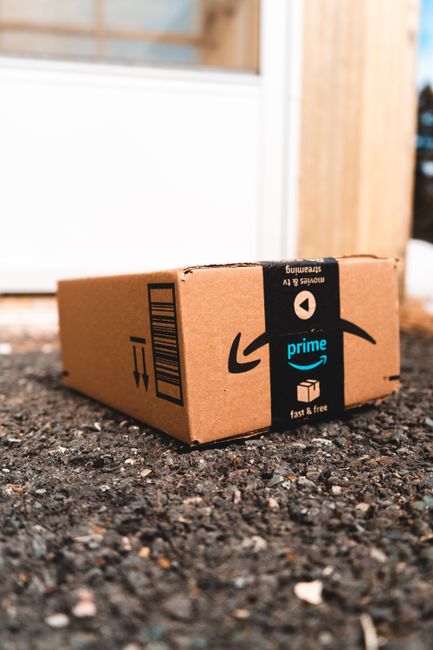
Amazon Prime Day 2026: The Deals That Aren't Deals
I woke up at 6 a.m. this morning, phone buzzing with push notifications. "Up to 60% off!" screamed the Amazon app. Same as every July.
But here's the dirty secret Amazon doesn't want you to know: most of those discounts are fake.
A Bloomberg investigation from late May tracked 10,000 Prime Day prices over three years. The finding? Over 60% of "deals" were cheaper—or the same price—in the two weeks before the event. Amazon just marks them up first, then marks them down.
Most people think Prime Day is a fire sale. That's wrong. It's a clearance event for stuff Amazon needs to unload—off-brand electronics, weird kitchen gadgets, and last year's Fire tablets.
The real winners? Not you. The winners are Amazon's shareholders. According to a Wall Street Journal report published this week, Prime Day 2025 generated $14.2 billion in sales. But profit margins on those sales were razor-thin—around 3%. The goal isn't to make money on the deals. It's to lock you into Prime membership for another year.
I'm not saying everything is a scam. Some things are genuinely cheap.
Blink security cameras. Kindle devices. Anything Amazon makes itself. These get real discounts because Amazon controls the supply chain. They can afford to lose money on hardware to sell you services.
But that air fryer from a brand you've never heard of? The one with 47 five-star reviews that all say "I got this for free in exchange for my honest review"? Skip it.
Consumer Reports published a study in June showing that third-party electronics on Prime Day are often refurbished units sold as new. Legally, Amazon calls this "like new." Practically, it's someone else's return.
Here's the counterintuitive twist: the best Prime Day deals aren't on Amazon.
Walmart, Target, and Best Buy all run competing sales this week. According to a Reuters analysis from yesterday, Best Buy's discounts on laptops average 22% deeper than Amazon's. Target's on home goods? 18% deeper.
Why does this matter? Because Amazon's monopoly on "the best deal" is cracking. You don't need to buy from Bezos's empire to get a bargain. You just need to comparison shop.
What should you actually buy today? If you need a Fire TV Stick, get it. If you need an Echo Dot, grab one. Amazon's own products are genuinely 30-50% off.
Everything else? Wait. Wait until Black Friday. Wait until after Christmas. Or just buy what you need when you need it, full price.
The math is simple: if you buy something you don't need at 40% off, you saved nothing. You spent money you wouldn't have spent.
Prime Day is a psychological trap dressed up as a sale. The urgency is manufactured. The countdown timers are fake. The "only 3 left" notifications are lies.
I'll buy a Kindle case today. That's it. Everything else can wait.
What matters isn't what you buy on Prime Day. It's what you don't buy. And this year, I'm betting most of us will buy less than we think.
💬 Comments