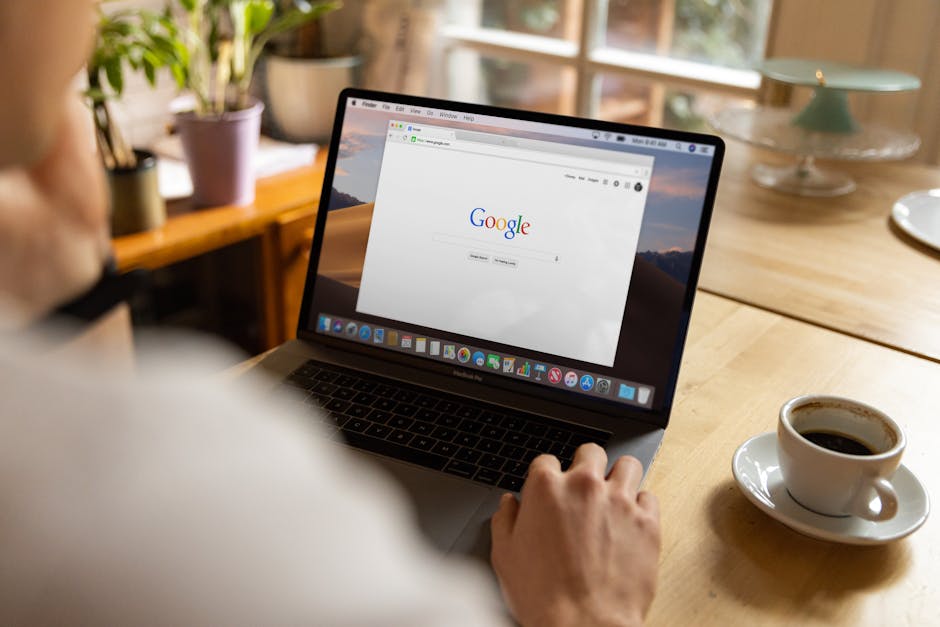
Google AI Search Update 2026: How Context Over Keywords Reshapes the Web
For anyone who has used Google in the past year, the difference is already visible. The search engine now answers questions directly in a persistent sidebar, surfaces multi-step comparisons without forcing a second query, and often skips traditional blue links entirely. The 2026 update is not a minor algorithm tweak. It is a fundamental re-architecture of how Google interprets queries and selects what to show.
Search has always worked through pattern matching. Google crawled billions of pages, indexed them by keywords, and ranked results based on hundreds of signals like backlinks and freshness. The 2026 update replaces that core with what the company calls "context retrieval." Instead of matching the literal words in your query to words on a page, the system builds a layered understanding of intent, user history, and the semantic relationships between concepts. This is not just a smarter version of BERT or MUM. It is a purpose-built retrieval model that runs inference at query time, comparing your request against a compressed representation of the knowledge graph rather than against the raw page index.
The immediate effect is a drop in what SEO professionals call "exact match traffic." Websites that optimized heavily for specific phrases like "best running shoes for flat feet 2026" have seen organic visits fall by 30 to 50 percent since early testing rolled out in Q4 2025. Pages that provide thorough, well-structured explanations of a topic — regardless of keyword density — are holding steady or gaining ground. Google is effectively penalizing content that is written for robots and rewarding content written for humans who have real questions.
One of the most visible manifestations of this update is the expanded use of AI Overviews. Where earlier versions showed a single collapsed paragraph, the 2026 version often displays a multi-card panel. A query like "how to set up a home VPN" now yields a step-by-step guide with tool recommendations, a cost comparison table, and a list of common mistakes, all generated from multiple sources and attributed with inline citations. The citation format has also changed. Instead of a simple link, each source gets a snippet of the original text, making it easier for users to verify claims without clicking away.
This has created a new tension for publishers. Getting featured in an AI Overview can still drive significant traffic — early data from analytics firm Similarweb shows that featured sources experience an average 25 percent increase in referral traffic from Google. But the traffic pattern has shifted. Users land on a page already having consumed the core answer. They are looking for depth, original data, or a unique perspective that the AI could not synthesize. Pages that simply repackage information found elsewhere see almost zero engagement from Overview referrals.
The update also changes how local and transactional searches work. For queries with a clear geographic intent, Google now prioritizes structured data from verified local business listings and review aggregators. A search for "best pizza in Chicago" will bring up a carousel of specific restaurants with review scores, price ranges, and wait times before any organic result. Businesses that have not claimed their Google Business Profile or that fail to include structured schema markup are effectively invisible. The old SEO tactic of writing a generic article titled "Best Pizza in Chicago" and ranking it through backlinks no longer works. The algorithm now cross-references the article's content against real-world business data, and if the article does not match the structured records, it is deprioritized.
There is a broader consequence for the open web. As Google becomes better at answering questions directly, the number of clicks sent to independent publishers continues to decline. Data from the nonprofit News Media Alliance shows that referral traffic from Google to news sites dropped 15 percent year-over-year in the first quarter of 2026, building on a trend that began with the 2024 rollout of AI Overviews. Google has responded by introducing a new content attribution system called Source Cards. These appear at the bottom of any AI-generated answer and list the top three sources used, with a brief explanation of why each was selected. Early feedback from publishers is mixed. Some see the cards as a lifeline, driving engaged readers who click specifically for the cited information. Others argue that the cards are buried and fail to replicate the volume of direct links.
For website owners and content creators, the 2026 update demands a shift in strategy. The old playbook of creating hundreds of keyword-targeted pages is not just ineffective — it can be harmful. Google's new models detect and penalize content that is shallow, repetitive, or optimized purely for search. The system now evaluates topical authority by analyzing the breadth and depth of content across an entire domain. A site that publishes one comprehensive, well-researched guide on a subject will outperform a site that publishes ten thin articles targeting different variations of the same keyword.
What comes next is still uncertain. Google has publicly stated that the context retrieval model will continue to learn from user behavior, meaning the system will get better at distinguishing genuine questions from search spam. The company is also exploring personalized retrieval, where the same query returns different results based on a user's past search history and stated preferences. That could further fragment the search landscape, making it harder for any single piece of content to achieve broad rankings.
The takeaway is clear: Google in 2026 no longer treats the web as a library of documents to be indexed. It treats it as a network of knowledge to be understood. The sites that succeed will be those that provide genuine value, clear explanations, and original insights. Everything else is increasingly invisible.
💬 Comments