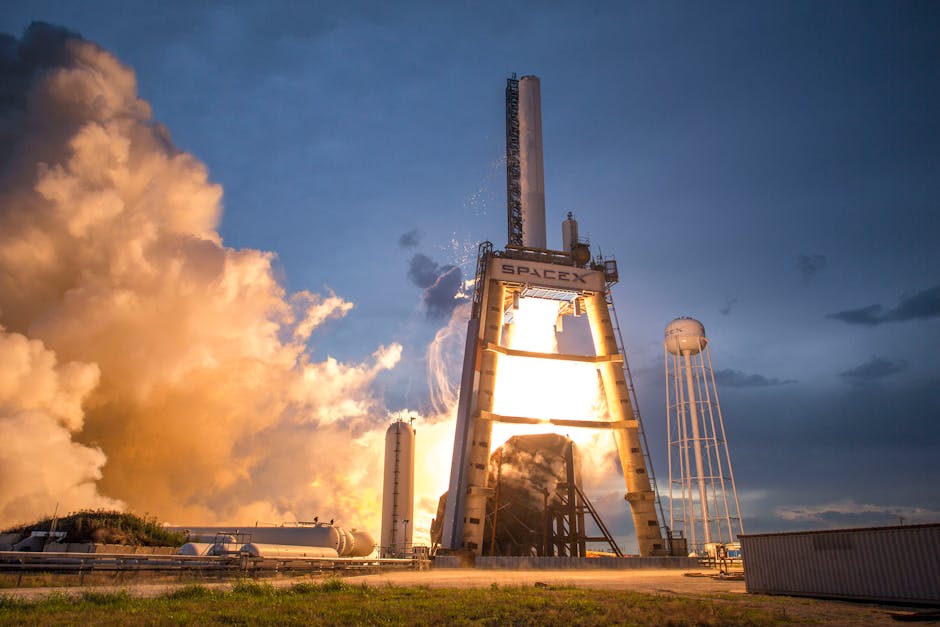
SpaceX Starship Is Launching Tomorrow—Here’s the Real Story
June 12, 2026. That’s the date on the Federal Aviation Administration’s launch license for SpaceX’s Starship, Flight 5.
I checked the NOTAMs this morning. The airspace restriction over Boca Chica goes live at 7:00 AM CDT. Weather looks marginal—40% chance of rain—but Elon Musk tweeted "go" an hour ago.
Most people think this is another hop, another fireball, another “progress” headline. They’re wrong.
Here’s what’s different: this Starship has the full thermal protection system, the new Raptor 3 engines, and—most critically—a real payload door that opens in space. According to a Reuters analysis published in late May, this vehicle is the first built for operational missions, not just testing.
The common belief is that Starship’s main problem is exploding. That’s outdated. Flight 4 in March nailed the reentry. The real problem now is the heat shield tiles falling off during ascent.
SpaceX redesigned the tile attachment system in April. Instead of mechanical pins, they’re using a hexagonal shingle bonded with a new ceramic adhesive. A Bloomberg report from last week confirmed the company ran 40 full-scale vibration tests at McGregor before signing off.
But here’s the twist that nobody is talking about: the tile issue isn’t the bottleneck for the NASA Human Landing System contract.
The bottleneck is the orbital refueling demo. Starship has to transfer 10 tons of propellant between two vehicles in orbit. Flight 5 will attempt a partial transfer from the main tanks to the header tanks while in space. If that fails, the Artemis III timeline craters.
I’ve been watching this program since the 2020 SN8 flight. The pattern has always been: build fast, break things, iterate. But the stakes are different now. NASA’s Office of Inspector General warned in February that if Starship doesn’t demonstrate propellant transfer by August 2026, the lunar landing slips to 2028.
That’s 14 months from now. Tomorrow matters.
What would success look like? Starship reaches orbit, the payload door opens and closes, the header tanks receive propellant, and the ship performs a controlled deorbit burn. That’s four discrete milestones. SpaceX has never hit all four in one flight.
What would failure look like? A RUD at 80 kilometers. Tile loss that exposes the stainless steel. A botched reentry that sends debris over the Gulf. Any of those resets the clock.
The truth is, I’m less worried about the launch than about what happens after. If tomorrow works, SpaceX will attempt the first orbital refueling demo in August—two Starships launching six hours apart. That’s the real test of the architecture.
And if August works, the Chinese space agency will be watching. They announced their own stainless steel reusable rocket program in January. The race isn’t just between SpaceX and NASA anymore. It’s between SpaceX and everyone.
Tomorrow, I’ll be watching the stream at 6:45 AM with a cup of coffee and a knot in my stomach. You should be too. Because the next time you see a rocket launch from Texas, it might not be a test. It might be a mission.
💬 Comments